Cataract Surgery

Description
In cataract surgery, the lens inside the eye that has become cloudy is removed and replaced with an artificial lens (called an intraocular lens, or IOL) to restore clear vision.
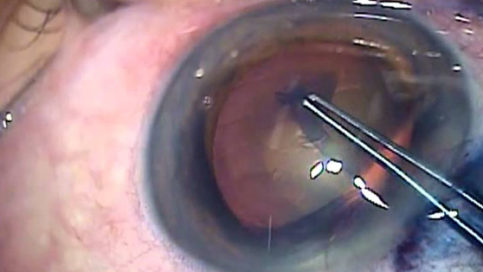
Generally, the procedure is performed on an outpatient basis and does not require overnight stays in a hospital or other medical institution. Most modern cataract procedures involve the use of a high-frequency ultrasound device that breaks the cloudy lens into small pieces, which are then carefully removed from the eye by suction.
This procedure, called phacoemulsification or “phaco”, can be performed with smaller incisions than previous surgical techniques for cataract extraction, favoring faster healing and reducing the risk of complications from surgery, such as retinal detachment.
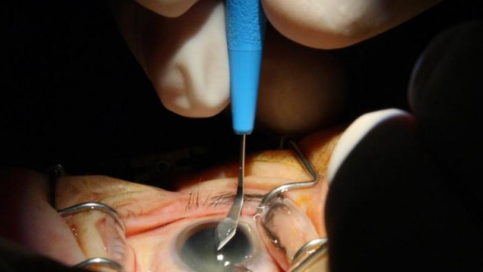
Once all remnants of the cloudy lens have been removed from the eye, the cataract surgeon inserts a clear intraocular lens, stably positioning it behind the iris and pupil, in the same location as the natural lens. (In special cases, an IOL may be placed in front of the iris and pupil, but this is less common.)
The surgeon then finishes removing the cataract and ends the IOL implant procedure by closing the incision in the eye (it may need a stitch), and a shield is placed over the eye to care for it in the early stages of recovery from cataract surgery.